hi, i’m Ege
Hardware Systems Engineer, Stanford EE BS+MS ‘26
I enjoy building hardware+software and document some recent projects here. My interests are primarily in sensing systems, mechatronics, robotics, and wearables!
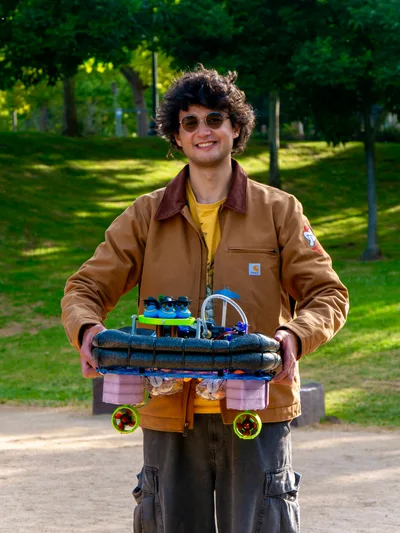
Highlighted projects
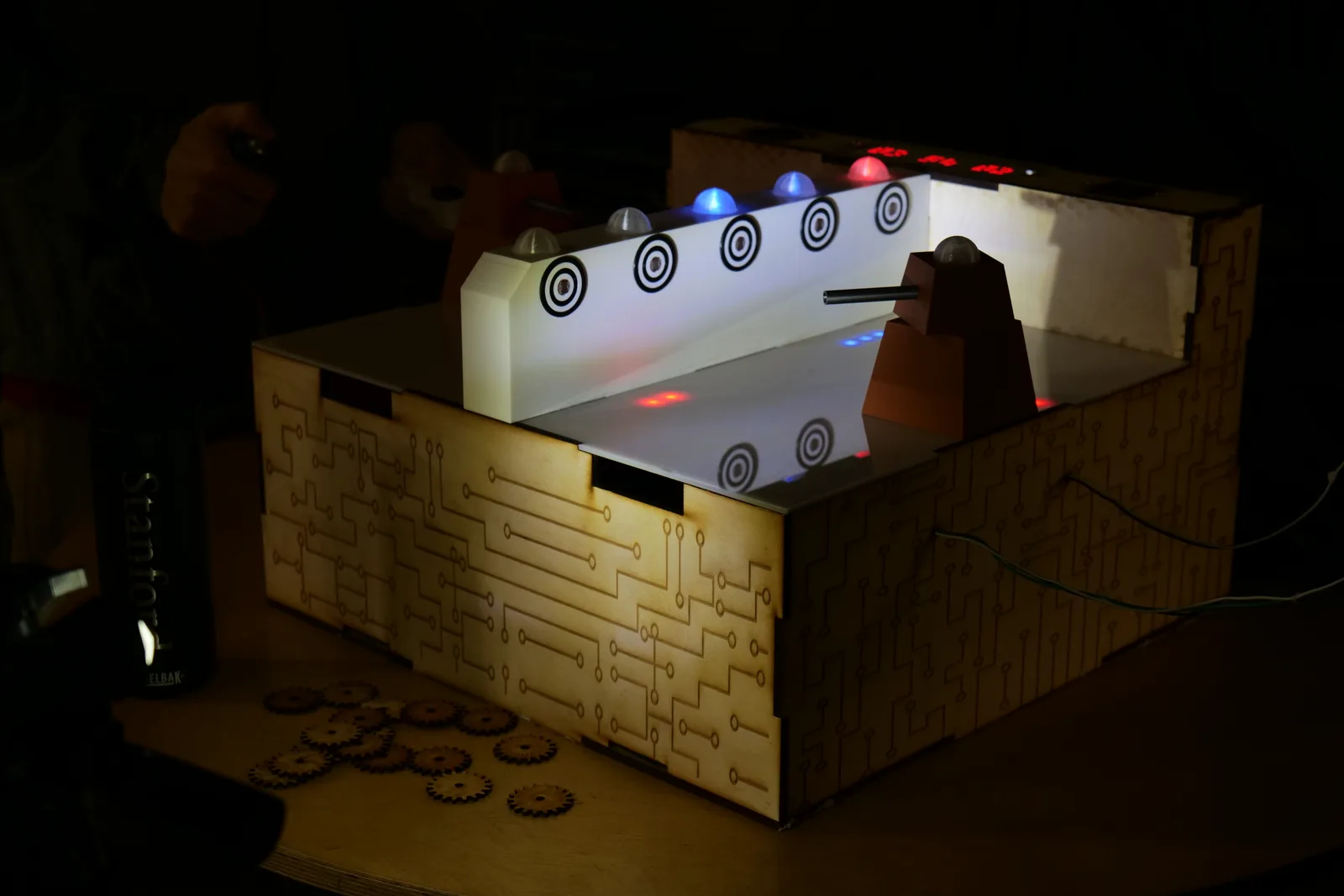
Control is a tug-of-war-inspired competitive shooting game for two players, implemented with three PIC32 controllers. Each player uses a joystick and trigger to rotate and shoot a turret. The players’ turrets are located on opposite ends of the “arena” and face each other; one player is on the “blue” side, and the other is on the “red” side.
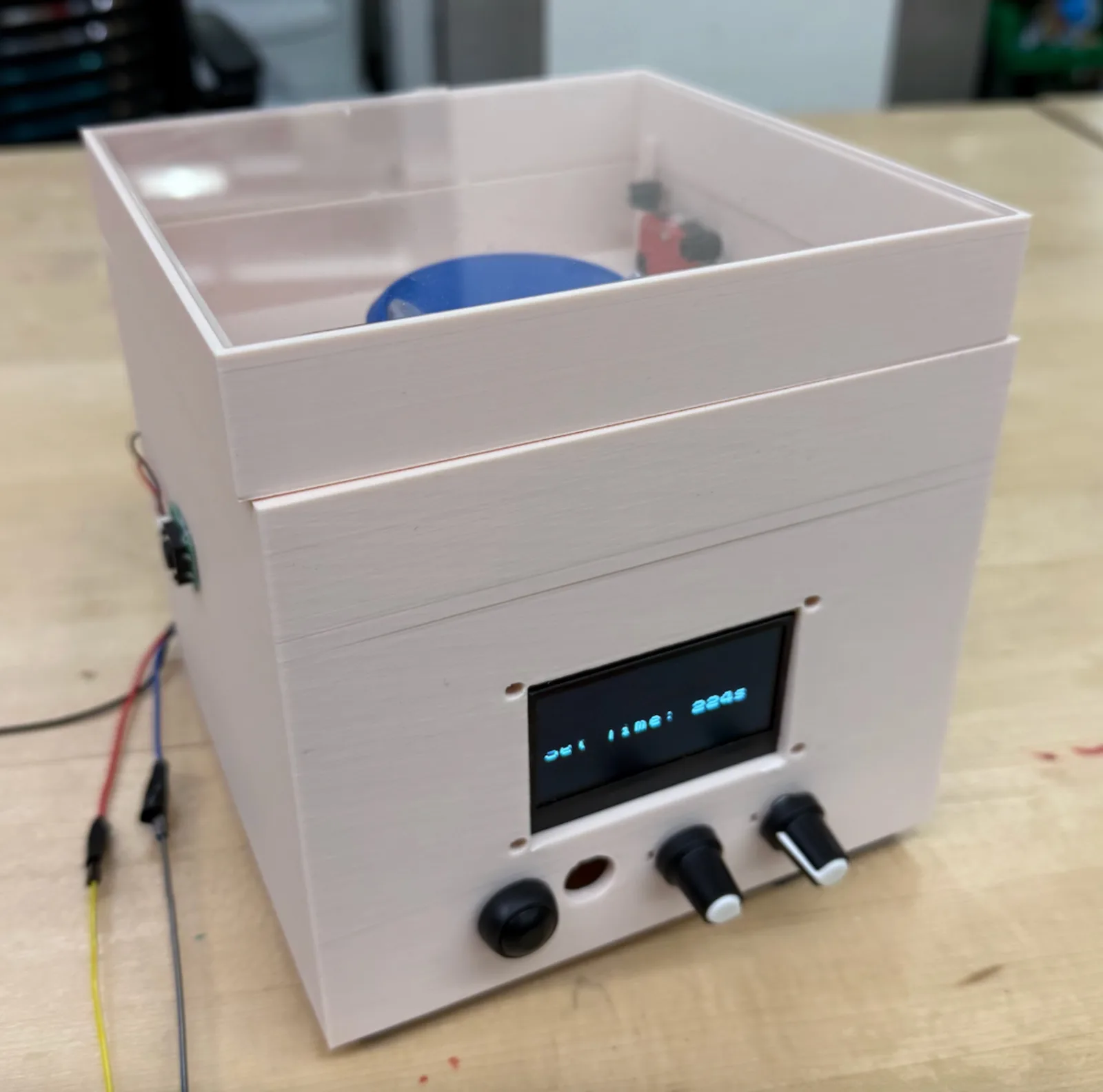
Our goal was to produce a centrifuge to unmix fluid inputs, with additional safety, accessibility convenience, and control features. This was a successful V3, named “Kirby”! Our V3 system builds on the skeleton/prototype V2 system. V3 adds an enclosure, additional safety and control features, replaces the screen (from a character LCD to a pixel OLED) for better icons and communication, and audio (including music) functionality. This allowed me to improve my systems engineering skills.
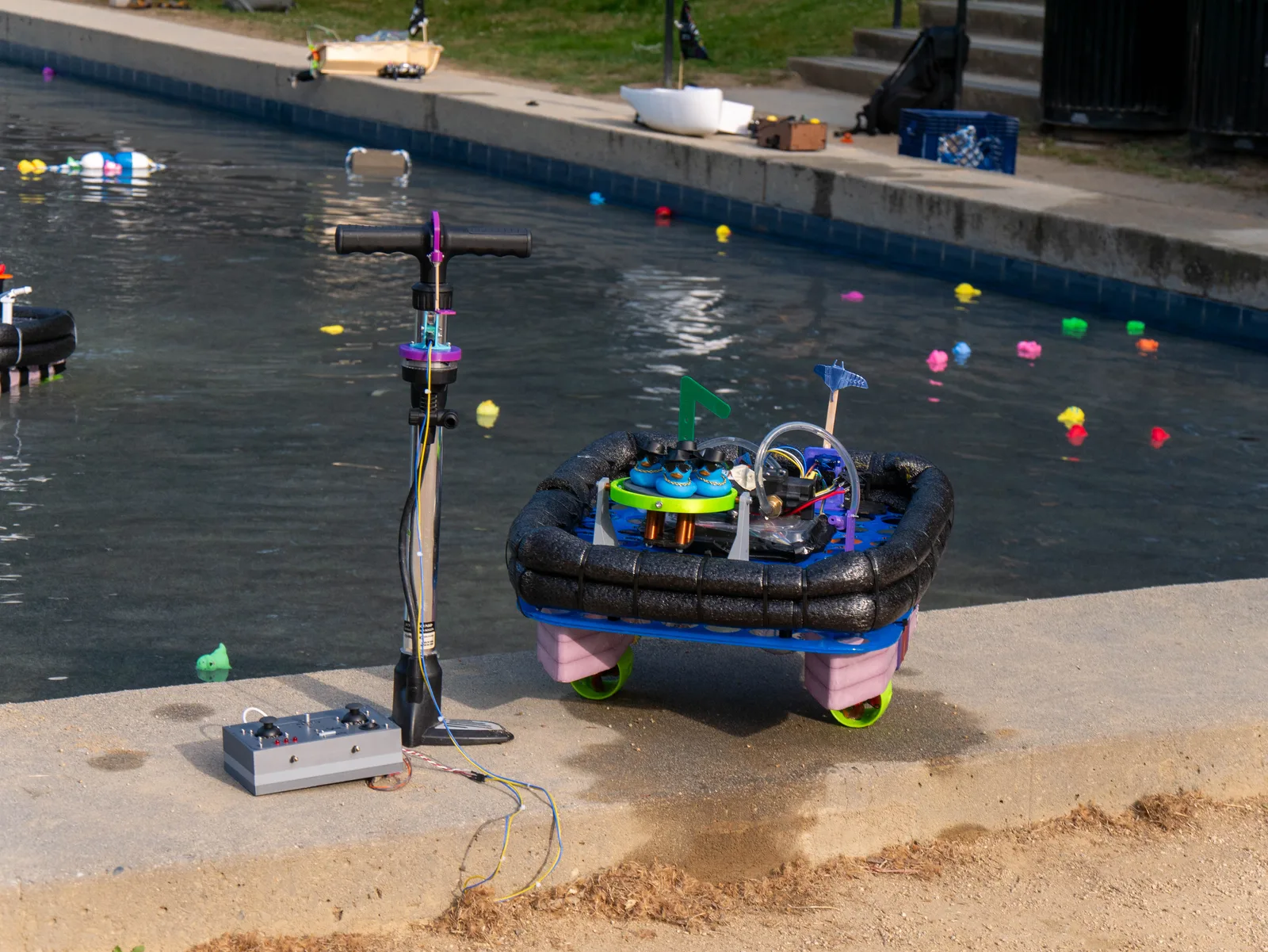
Boss is a competitive watercraft and a wireless controller system that uses 4 main systems to compete in a robotics game played in a fountain: driving, intake, water-gun, and gimbal/stabilizer.
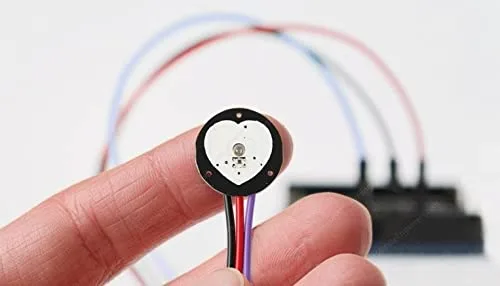
Using a fingertip PPG sensor and AD/DA board, we wrote an algorithm to record heart rate data with minimal noise. We performed an FFT analysis to determine the peak heart rate, and also computed HRV from the time-domain signal.
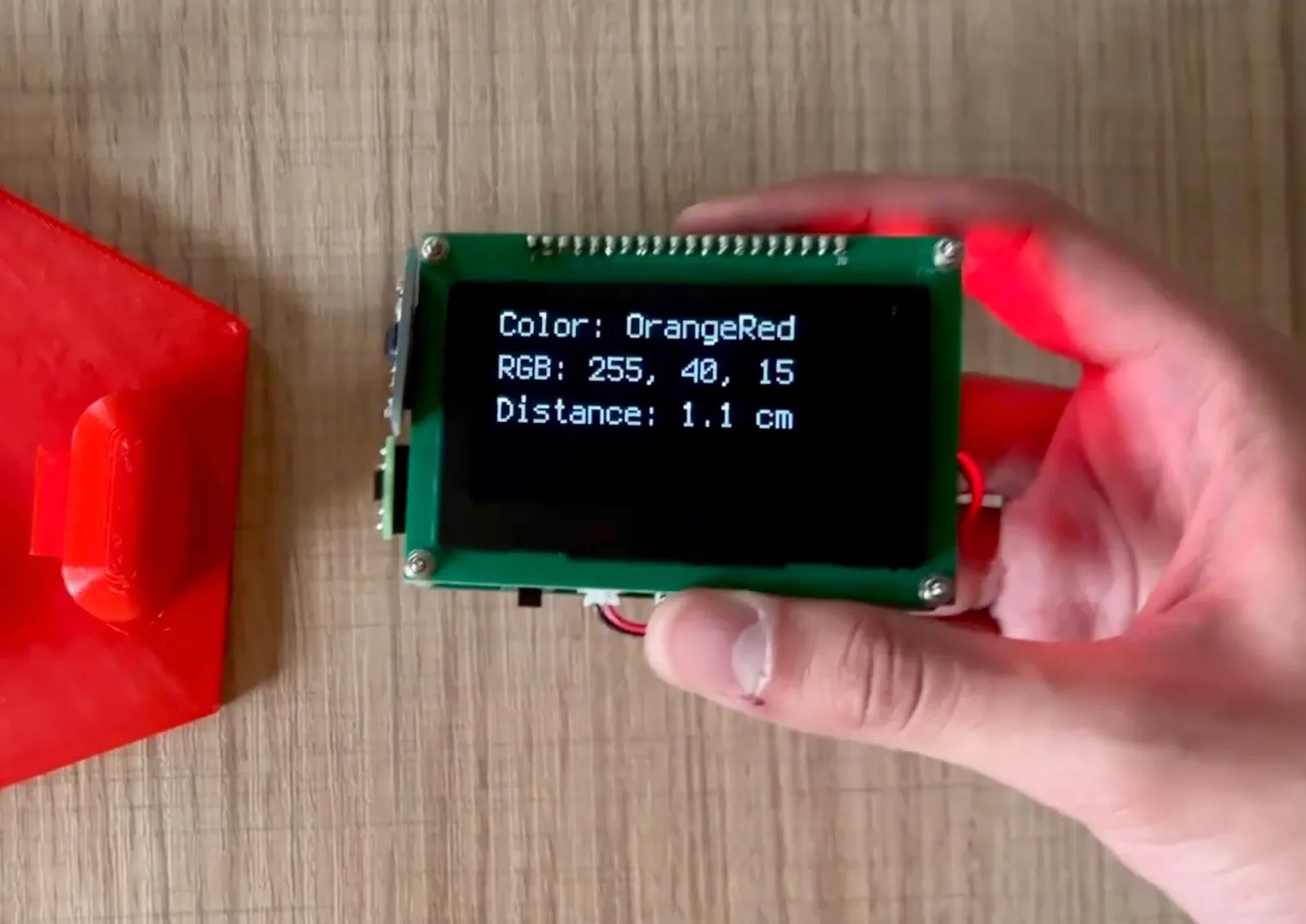
a smart real-life color-picker built on a custom PCB.
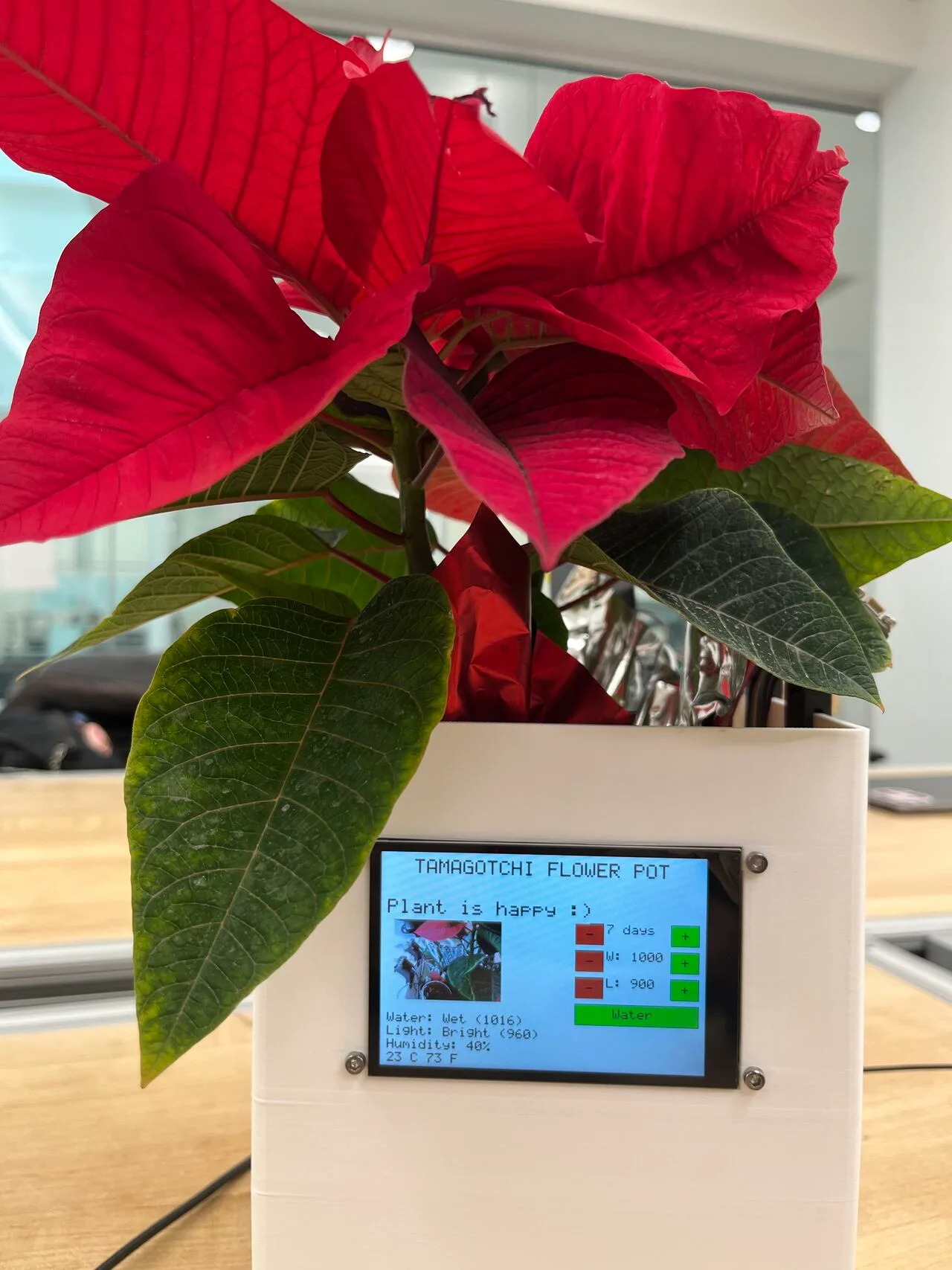
built a self-watering tamagotchi flower pot with a suite of sensors for realtime monitoring, a touch screen to view vitals and configure settings, and an integrated camera for timelapsing. It takes soil moisture readings to enable long-term watering without intervention. It comes in a 3D printed shell with modular attachments for sensors.
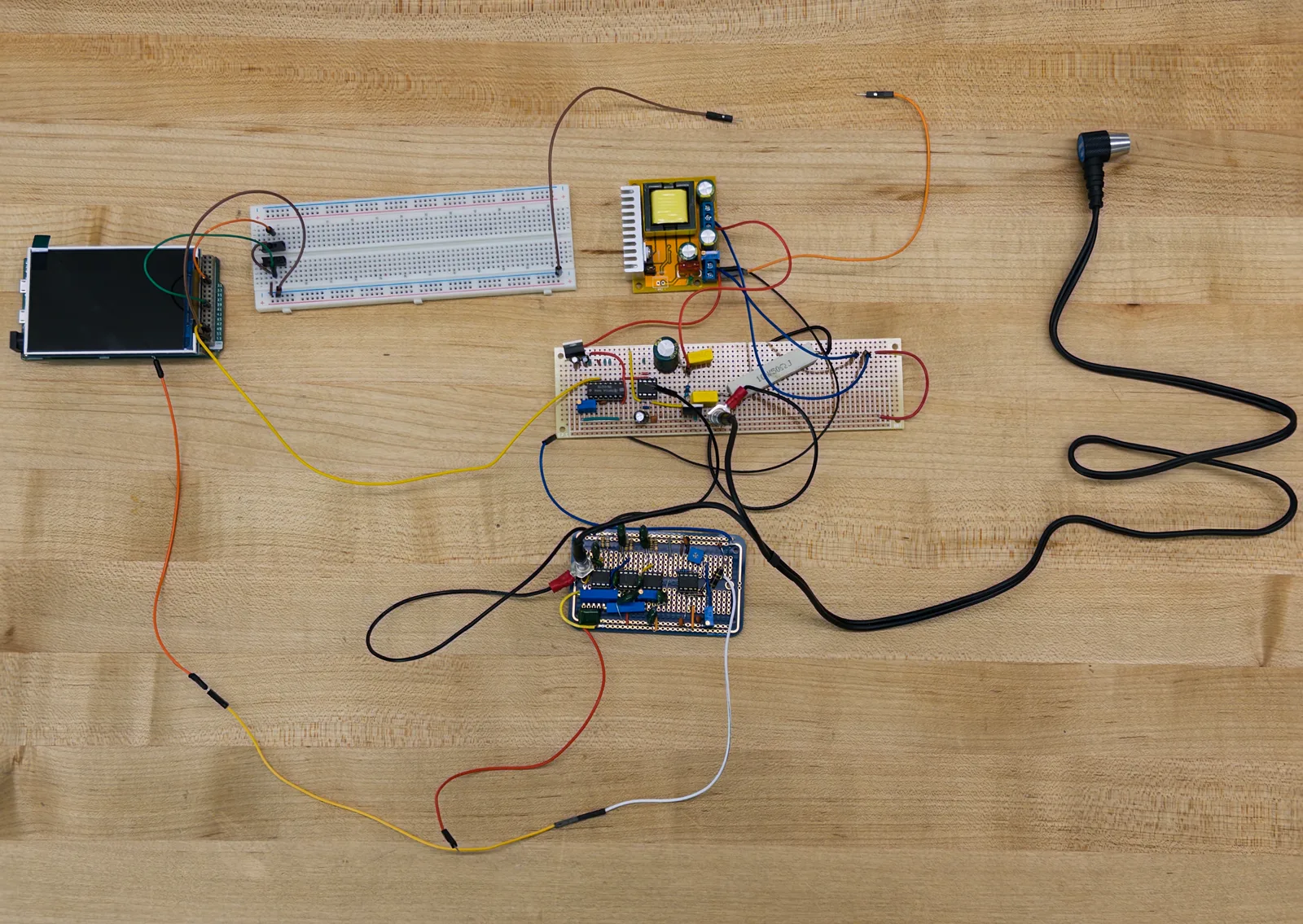
We want to integrate ultrasonic thickness gauge non-destructive testing to the in-pipe robot (with its cameras as well as ultrasound) to create a system capable of navigating and mapping (in terms of infrastructure thickness, corrosion…) confined and hard-to-reach pipe networks.
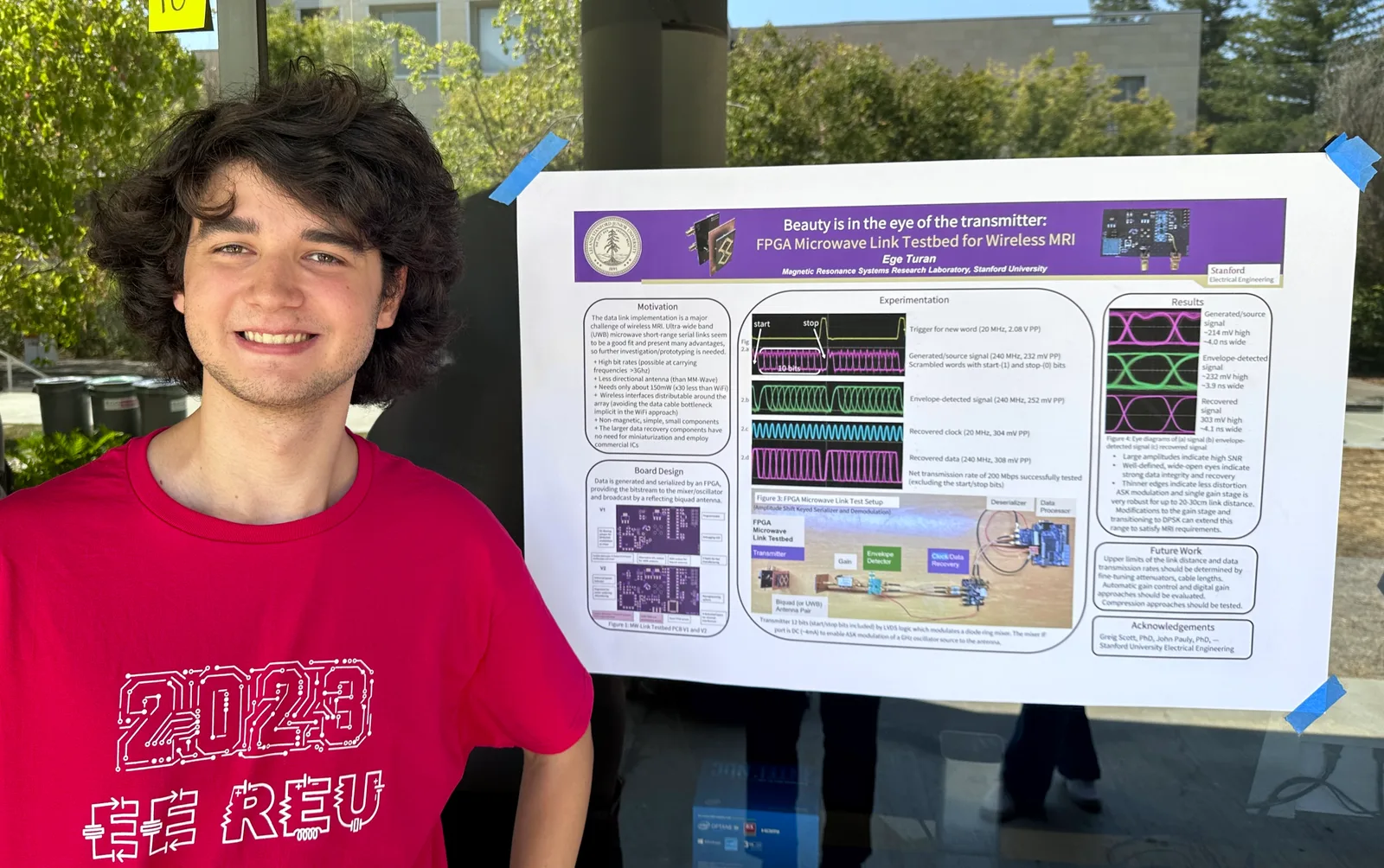
The data link implementation is a major challenge of wireless MRI. Ultra-wide band (UWB) microwave short-range serial links seem to be a good fit and present many advantages, so further investigation/prototyping is needed. + High bit rates (possible at carrying frequencies >3Ghz) + Less directional antenna (than MM-Wave) + Needs only about 150mW (x30 less than WiFi) + Wireless interfaces distributable around the array (avoiding the data cable bottleneck implicit in the WiFi approach) + Non-magnetic, simple, small components + The larger data recovery components have no need for miniaturization and employ commercial ICs
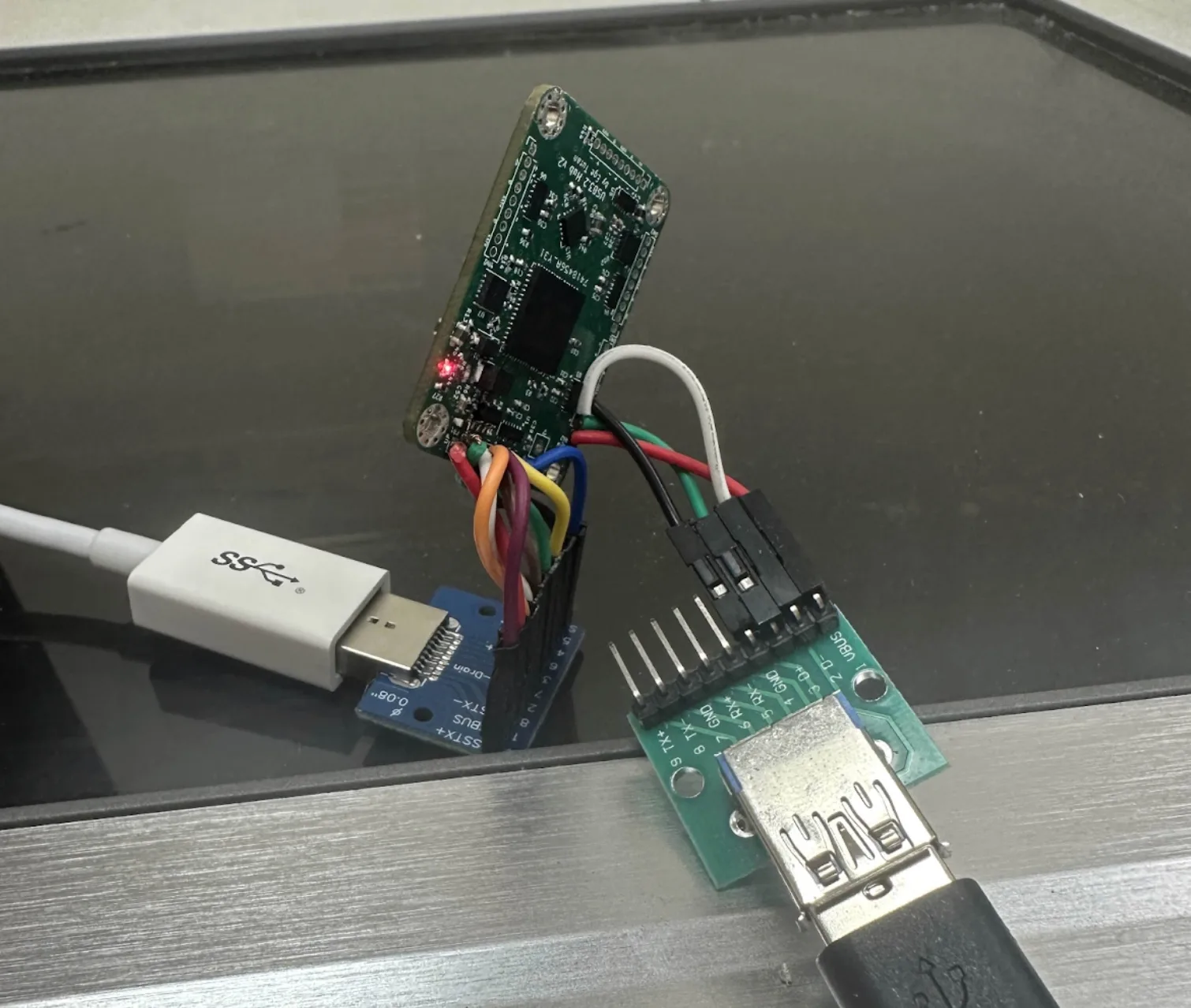
Open source, tiny (~penny-sized) USB 3.2 Gen 1x1 hub for distributed sensing applications
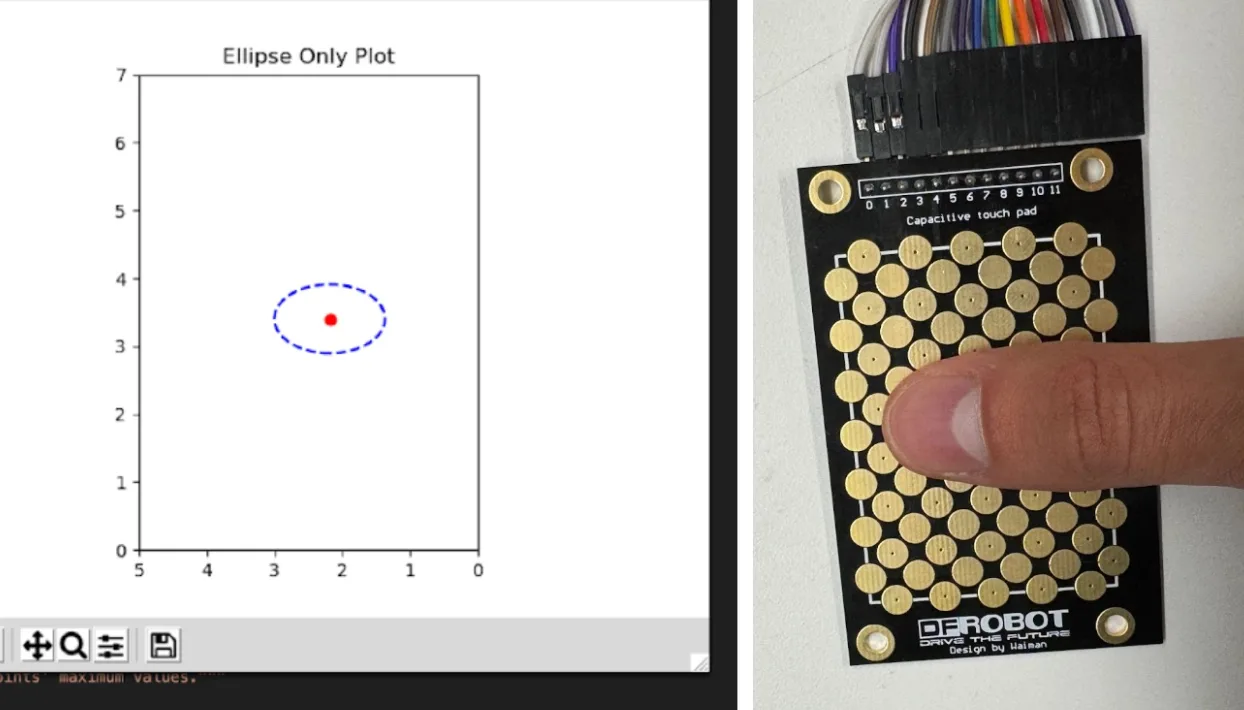
Using a capacitive touch sensor, we implemented PRBS drive and sense lines to track touch. Our code generated both a heatmap of the touch as well as a centroid estimate.
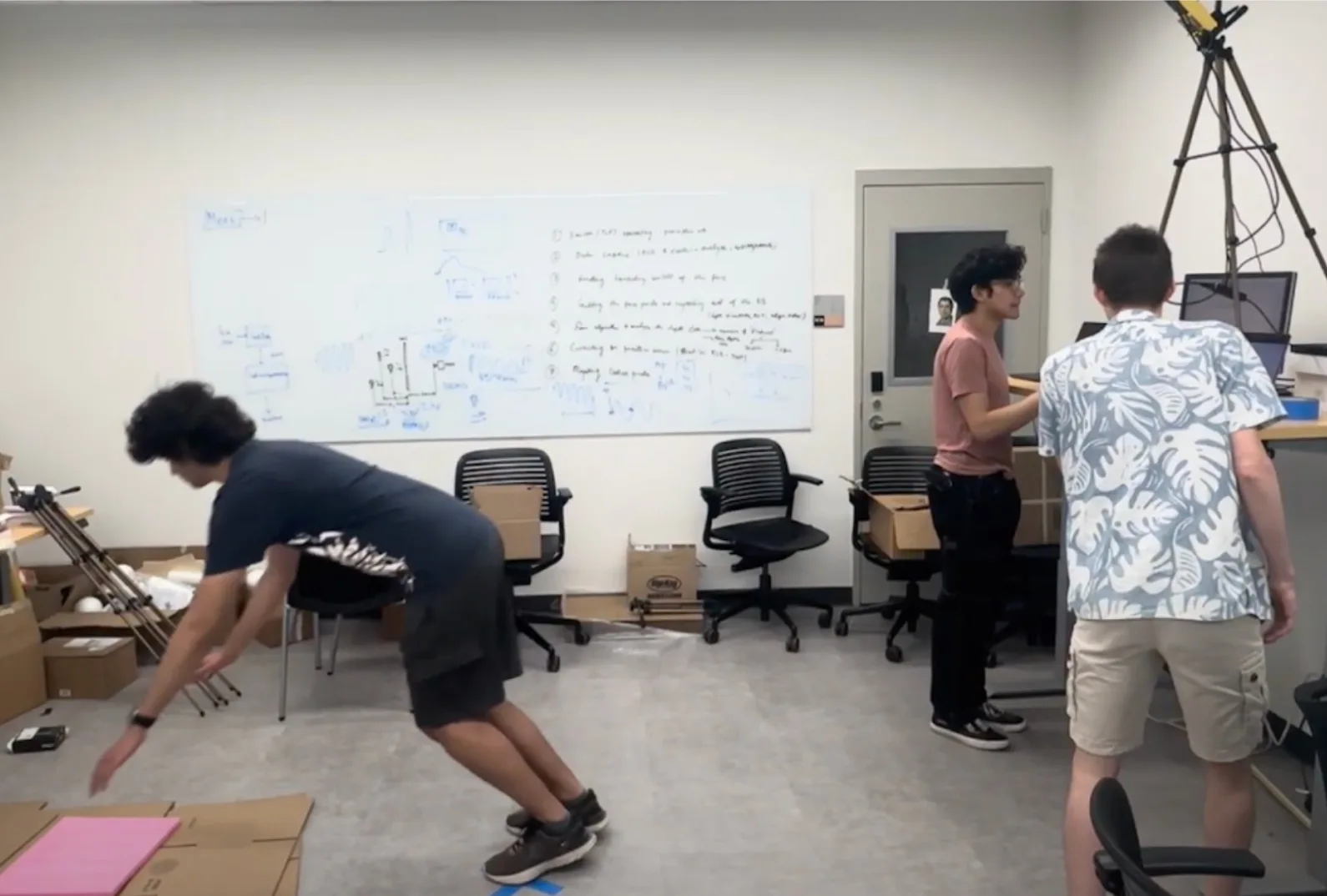
This project uses a 60 GHz radar sensor to detect human falls by analyzing doppler shifts and motion intensity over time. I optimized radar parameters for velocity tracking, designed realistic ceiling-tile barriers for testing, and built a robust Matlab post-processing pipeline that filters and classifies movement data. The system detects falls accurately in a variety of scenarios—even with obstructions—demonstrating a strong match for real-world use in hospitals or elderly care environments.
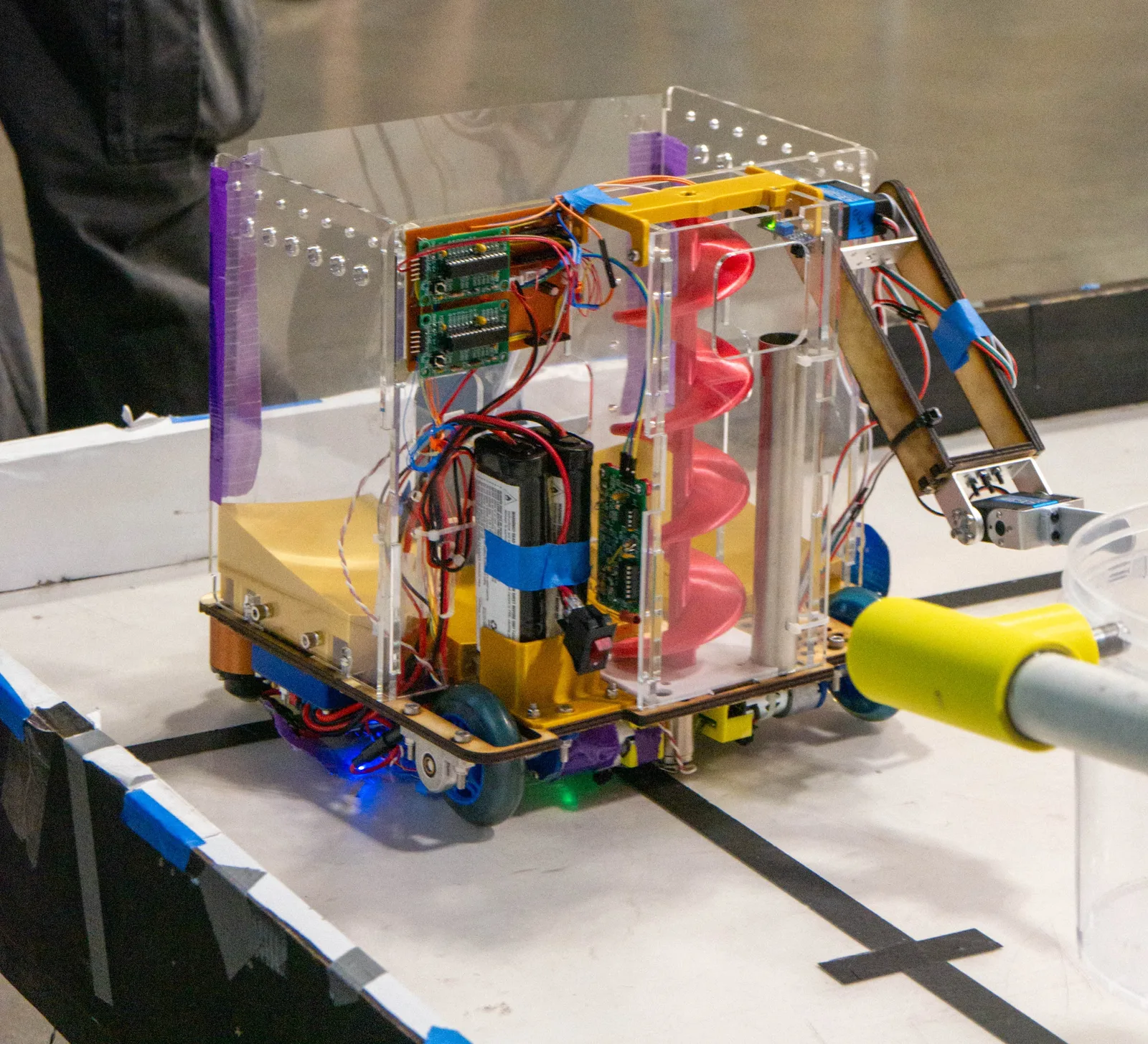
Döner Kebab is a fully-autonomous competitive robot, using 4 main systems to compete in a robotics game: • Driving. Moves around the map using 2 Igarashi 33GN2732 high-torque, low-speed DC gearhead motors. • Intaking. Collects the cargo using 2 DC motors with toy car wheels attached at the ends rapidly spinning like flywheels to pull the cargo into the storage section. • Dispensing. Lifts the cargo from the storage section one piece at a time to drop it in the buckets. It's active with an agitator in the storage section that prevents jamming. • Bucket Lowering. Brings the buckets to accesible drop range from the dispensing mechanism by using 2 servo motors like an arm.
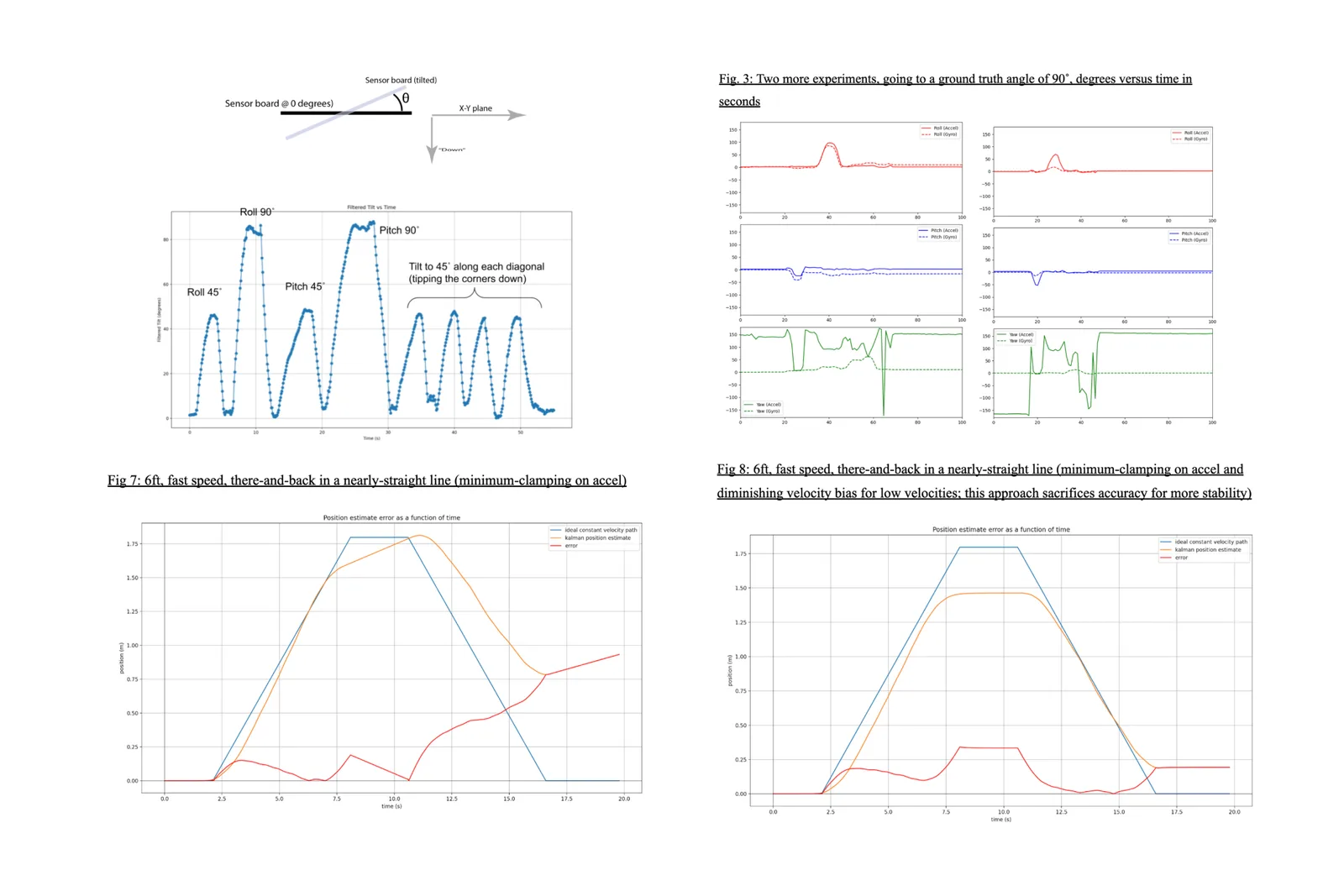
Using a sense hat with integrated gyroscope and accelerometer, we wrote an algorithm to compute tilt of the sensor - similar to the tilt measure app on an iPhone. The second part of the project involved using a Kalman filter to estimate position based on gyro and accel. Different algorithmic approaches showed different tradeoffs - either greater compounding error, or underestimation.
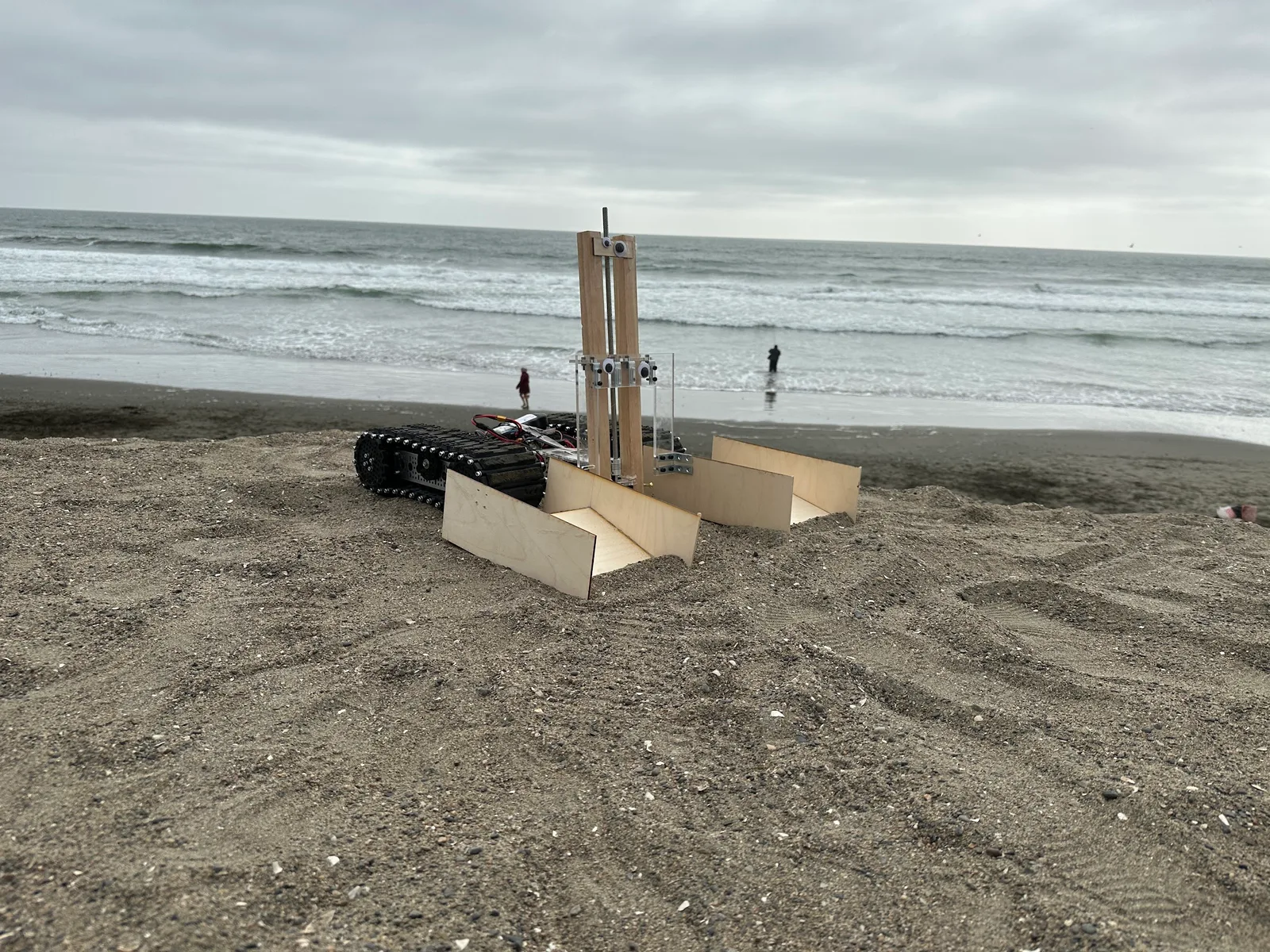
We built a robot that can autonomously build sand castles on beach terrain.
This is a literature review paper on the current state of AR integration with 3D+ imaging sensors, focusing on applications in safety-critical domains such as vehicle navigation, industrial environments, and medical interventions.